
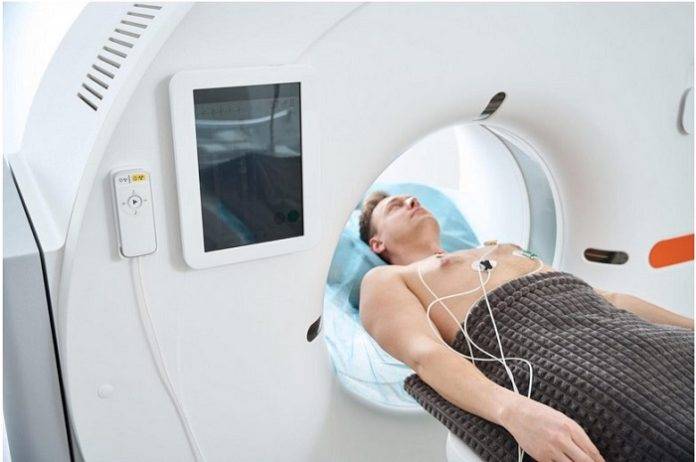

Heart disease is one of the most common health problems around the world. Because of this, doctors must rely on accurate tools to check the heart and blood vessels. One of the most trusted methods used today is angiography. This imaging technique allows doctors to see inside the blood vessels and understand how blood flows through them. With this information, they can detect blockages, narrowing, or other conditions that may affect heart health.
However, clear imaging is not only about having advanced machines. It also depends on the quality of the equipment and the support behind it. Hospitals need reliable partners who can provide dependable technology and make sure it works correctly over time. When a healthcare facility works with the right angiography device supplier, doctors receive the tools they need to perform procedures safely and accurately. This partnership helps improve the quality of cardiac care and supports better outcomes for patients.
Understanding Angiography and Its Role in Heart Care
Angiography is a medical imaging method used to examine blood vessels. During the procedure, doctors inject a special dye into the bloodstream. This dye makes the blood vessels visible on imaging equipment. The machine then captures clear pictures that show how blood moves through the arteries.
These images help doctors identify blockages or narrowed areas in the arteries. Such conditions can reduce blood flow to the heart and lead to serious health problems. By studying angiography images, doctors can better understand the patient’s condition and choose the most suitable treatment.Angiography is also used to guide treatments. Procedures such as angioplasty or stent placement require doctors to work inside the arteries. The imaging system allows them to see where they are placing their instruments and helps them perform the procedure safely.
Why Precision Matters in Cardiac Imaging
Heart procedures require careful and precise work. The arteries around the heart are very small and delicate. Even a small mistake during diagnosis or treatment can affect the patient’s health.Clear and accurate imaging helps doctors understand the exact condition of the arteries. They can see where a blockage is located and how severe it is. This information is essential when deciding how to treat the patient.
During treatment, doctors also rely on real-time imaging to guide their instruments. They must carefully move catheters through the blood vessels to reach the affected area. When the imaging system provides clear visuals, doctors can perform these procedures with greater confidence and accuracy.
High-Quality Equipment Supports Better Results
Angiography systems are advanced machines that combine several important components. These include X-ray generators, imaging detectors, and specialised software that processes images instantly. All of these parts must work together smoothly to produce clear images.
A reliable angiography device supplier ensures that hospitals receive equipment that meets high medical standards. Before the system is delivered, it is carefully tested to make sure it performs correctly. Proper installation and system setup are also important to ensure the machine works efficiently from the beginning.When doctors use high-quality equipment, they can trust the images they see during procedures. This confidence is important when making treatment decisions that affect a patient’s health.
Helping Doctors Perform Procedures Safely
Many heart treatments today are minimally invasive. Instead of performing open-heart surgery, doctors guide small instruments through the blood vessels to reach the heart. These procedures are less stressful for the patient and usually allow faster recovery.
However, doctors cannot see inside the body directly during these treatments. They rely on imaging screens to follow the movement of their instruments. Clear and stable images allow them to place devices such as stents in the correct position.Reliable imaging systems also help reduce the time needed for procedures. Shorter procedures mean less exposure to radiation and a more comfortable experience for the patient.
The Importance of Efficient Medical Device Distribution
Hospitals rely on many different types of equipment to provide patient care. Imaging systems, accessories, and replacement parts must always be available when needed. This is why an efficient medical device distribution system plays an important role in healthcare operations.
A well-organized distribution system ensures that hospitals receive equipment quickly and in good condition. When devices arrive on time, healthcare providers can continue their work without interruption. Reliable distribution systems also help hospitals update their technology. As medical imaging continues to improve, healthcare facilities must adopt new systems to provide the best possible care for their patients.
Training Helps Medical Staff Use Equipment Properly
Modern imaging systems include many advanced features designed to improve image quality and patient safety. However, these features can only be useful when medical staff know how to use them correctly.
Suppliers often provide training sessions for doctors, technicians, and nurses. These programs explain how to operate the system, adjust imaging settings, and follow safety procedures. Proper training helps healthcare professionals feel comfortable using the equipment during real procedures.When medical teams understand the system well, they can perform their work more efficiently. This improves the accuracy of imaging and helps ensure patients receive the best possible care.
Regular Maintenance Keeps Systems Reliable
Angiography systems are used frequently in hospitals and diagnostic centres. Because of this regular use, they require routine maintenance to keep them working properly.
A dependable supplier provides maintenance services that help hospitals maintain their imaging equipment. These services may include equipment inspections, software updates, and replacement of worn components.Preventive maintenance helps detect small issues before they become major problems. This ensures that imaging systems continue to produce clear images and operate safely for many years.
Reliable Supply Networks Strengthen Healthcare Services
Healthcare facilities depend on reliable supply chains to maintain smooth operations. If hospitals do not receive the equipment or spare parts they need on time, it may affect patient care. A strong medical device distribution network ensures that hospitals receive the necessary equipment without delays. Suppliers with strong logistics systems can deliver devices quickly and safely.
They also ensure that every piece of equipment meets medical safety standards before reaching the hospital. This helps healthcare providers focus on their patients without worrying about equipment reliability.
Precision in cardiac imaging is essential for diagnosing and treating heart conditions. Clear imaging allows doctors to understand a patient’s condition and guide medical procedures safely. However, achieving this level of accuracy requires more than advanced technology. It also depends on reliable equipment, proper training, regular maintenance, and dependable supply systems.
Healthcare organisations searching for reliable medical technology partners may benefit from exploring the solutions offered by Nexamedic. Their team focuses on supporting healthcare providers with dependable equipment and professional service. By understanding the needs of modern medical facilities and delivering thoughtful solutions, they help healthcare professionals maintain high standards in cardiac imaging and patient care.
Frequently Asked Questions
Question: What is angiography, and why is it important for heart care?
Answer: Angiography is a medical imaging test that helps doctors see the inside of blood vessels. During the procedure, a special dye is injected into the bloodstream. This dye makes the arteries visible on imaging equipment, allowing doctors to detect blockages or narrowing. The images provide valuable information about how blood flows through the heart. Doctors use this information to diagnose heart conditions and decide on the best treatment for the patient. Angiography is also helpful during procedures such as angioplasty because it allows doctors to guide their instruments safely through the arteries.
Question: Why is clear imaging important during heart procedures?
Answer: Clear imaging is essential because doctors must guide small instruments through very narrow blood vessels. Without accurate visuals, it would be difficult to know exactly where the instruments are inside the body. High-quality imaging allows doctors to see the arteries clearly and identify the exact location of a blockage. During procedures, the imaging system shows real-time images that guide doctors as they place stents or perform other treatments. Clear imaging improves safety, reduces the risk of complications, and helps ensure that the treatment is successful.
Question: What factors should hospitals consider when choosing angiography equipment?
Answer: Hospitals should consider several important factors before purchasing angiography equipment. Image quality is one of the most important because doctors rely on detailed visuals to diagnose and treat heart conditions. The system should also be reliable and easy to operate. Safety features that help reduce radiation exposure are another key factor. Hospitals should also look at the support provided by the supplier, including installation services, staff training, and maintenance programs. Choosing the right equipment and supplier helps ensure long-term reliability and better patient care.
Question: How does training help medical teams use imaging systems effectively?
Answer: Training helps doctors and technicians understand how to use imaging systems safely and correctly. Modern angiography equipment includes advanced features designed to improve image clarity and protect patients from unnecessary radiation. Training programs teach medical staff how to operate the system, adjust settings, and troubleshoot minor issues. When healthcare professionals receive proper training, they can work more confidently and perform procedures smoothly. This leads to better imaging results and improves the overall quality of patient care in hospitals and diagnostic centres.
Question: How does reliable medical technology improve patient outcomes?
Answer: Reliable medical technology helps doctors diagnose health problems more accurately and provide effective treatments. In cardiac care, detailed imaging allows doctors to detect problems in the arteries and understand the patient’s condition clearly. This helps them choose the best treatment and perform procedures safely. When hospitals use dependable equipment that works consistently, doctors can focus on providing quality care. Reliable technology also reduces the chances of technical problems during procedures, which improves patient safety and increases the chances of successful treatment.